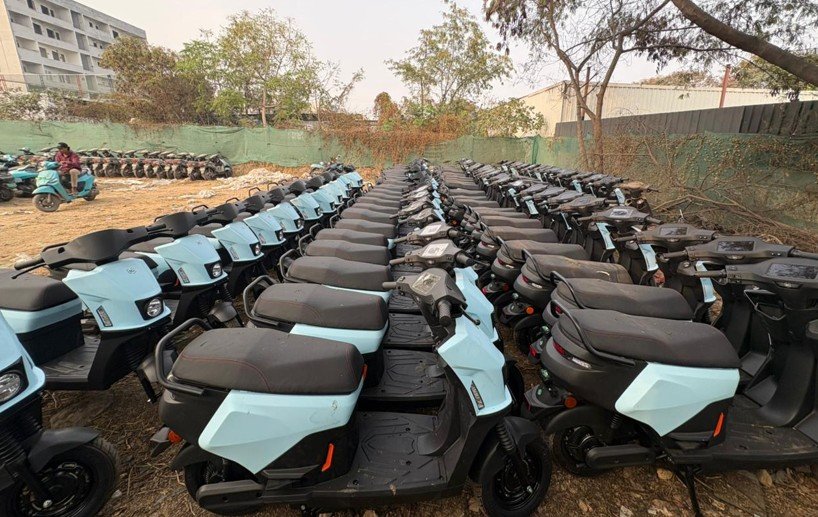
Electric mobility startup Bijliride announced the expansion of its franchise network under the Franchise Owned–Franchise Operated (FOFO) model, as part of its strategy to scale operations across 25+ high-growth cities in India. The company plans a broader target of building a network of up to 30 franchise partners by March 2027, while expanding its electric vehicle fleet to over 10,000-15,000 two-wheelers in the next 12–18 months.
Through this expansion, the company expects to drive approximately 150% growth in its fleet operations and overall business scale over the next 1-1.5 years. Through this initiative, Bijliride aims to strengthen its presence in India’s rapidly evolving electric mobility ecosystem by partnering with local entrepreneurs who can build and manage fleets within their respective markets
As part of this expansion phase, Bijliride is evaluating multiple high-growth markets including Chennai, Bengaluru, Mumbai, Delhi NCR, Jaipur, Patna, Guntur, Vishakhapatnam, Indore, Bhopal, Bhubaneshwar, Kolkata, Amravati, Lucknow, Kanpur, Prayagraj, Nagpur, Ranchi, Surat, Ahmedabad, Goa, Kochi, Warangal, Nizamabad, Mysore, Varkala, and Pondicherry, alongside expanding operations across Hyderabad’s surrounding urban clusters. These markets have been identified based on rising demand from logistics operators, gig economy platforms, and urban commuters seeking affordable and sustainable mobility options.
This expansion strategy will allow Bijliride to grow its electric mobility footprint while maintaining localised operational efficiency through franchise partners who understand their regional markets and demand dynamics.
Through the FOFO structure, franchise partners will own and operate their local fleets, while Bijliride provides the centralised technology infrastructure and operational framework required to run the business efficiently. The company’s platform offers real-time vehicle tracking, fleet performance analytics, rental management systems, battery management protocols, and standardized servicing processes, ensuring consistency and operational reliability across markets.
A typical entry-level franchise fleet consists of around 50 electric two-wheelers, with an estimated investment of ₹14–16 lakh, depending on vehicle specifications and market conditions. Under stable utilisation conditions, the model is designed to reach break-even within approximately 12–15 months, while generating recurring revenue through fleet rentals and enterprise mobility partnerships.
Commenting on the expansion, Shivam Sisodiya, CEO and Co-Founder of Bijliride, said, “Electric mobility demand in India is growing rapidly, particularly among gig workers and last-mile delivery operators. At this stage, our focus is disciplined scale. The FOFO model allows us to grow responsibly by partnering with local entrepreneurs who understand their markets while leveraging our technology platform and operational systems. This structure enables us to expand faster while ensuring fleets are managed efficiently on the ground.”
In addition to operational systems, Bijliride supports franchise partners with driver onboarding, demand generation, and marketing assistance, helping maintain strong fleet utilisation. The company also connects franchise fleets with demand from gig platforms, logistics operators, and local delivery businesses.
Over the next 12–18 months, Bijliride aims to expand its fleet to more than 10,000 electric two-wheelers across key urban and logistics markets, while continuing to strengthen its technology platform and operational support ecosystem for franchise partners. The company’s long-term vision is to build a scalable electric mobility network that supports both entrepreneurs and riders across India.