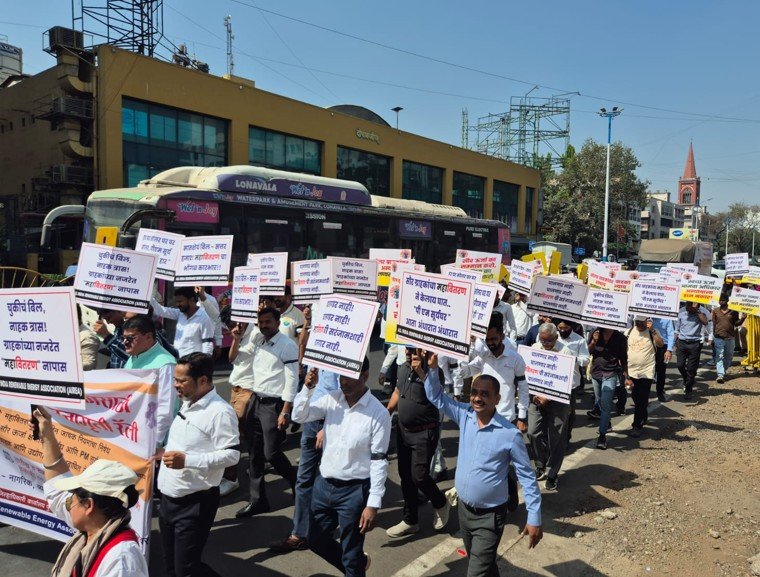
A recent change implemented on the approval portal of Maharashtra State Electricity Distribution Company Limited (MSEDCL) has raised concerns among solar developers and consumers, as it may significantly affect rooftop solar installations under the PM Surya Ghar: Muft Bijli Yojana.
According to industry stakeholders, since 13 February, solar vendors have reportedly been unable to secure approvals for the desired solar capacity for residential consumers. Previously, customers were allowed to install rooftop solar systems based on their sanctioned load and future consumption requirements. However, under the newly implemented change on the MSEDCL portal, solar capacity approvals are reportedly being restricted based on the average electricity consumption of the past 12 months.
Industry representatives say the move could impact 50–60% of residential solar consumers in Maharashtra, potentially affecting thousands of rooftop solar orders already booked. Maharashtra is currently the largest market for the PM Surya Ghar scheme, with more than 50,000 households reportedly adopting solar each month, accounting for nearly 25% of the country’s rooftop solar installations under the program.
Stakeholders have also highlighted that many homeowners tend to increase their electricity usage after installing solar panels, as the availability of solar power encourages them to adopt appliances such as air conditioners, induction cookers, and even electric vehicles. Restricting capacity based on historical consumption, they argue, does not reflect the future electricity needs of households.
The issue is particularly challenging for newly constructed homes, which often have limited or minimal consumption history. In such cases, consumers may receive approval for only small solar systems despite having larger future energy requirements. Similarly, housing societies and multi-meter residential complexes are reportedly facing limitations when applying for collective rooftop solar capacity.
Industry stakeholders have also expressed concerns that the change has been implemented without any formal policy announcement, regulatory amendment, or industry consultation, raising questions about transparency and regulatory compliance. They argue that the restriction may conflict with provisions under the Maharashtra Electricity Regulatory Commission (MERC) Net Metering Regulations, which allow solar capacity up to 100% of the sanctioned load or contract demand.
Experts warn that such restrictions could slow rooftop solar adoption, affect solar vendors’ ongoing projects, and potentially hinder the progress of the PM Surya Ghar initiative, which aims to accelerate distributed solar deployment across India.
The development has sparked widespread debate across the solar industry, with stakeholders urging regulators and authorities to review the matter to ensure that rooftop solar growth and consumer participation in clean energy programs are not adversely affected.