




Q1. Bijliride has introduced several upgrades across its EV lineup in 2025. Which innovations launched this year have had the biggest impact on customer adoption and performance?
The biggest impacts came from three pragmatic upgrades:
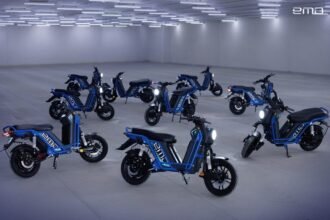
• Upgraded battery packs and range improvements. Newer vehicles we procured from BGauss into the fleet in 2025 use improved battery packs and cell integration that deliver higher usable range for everyday riders—this reduces downtime and range anxiety and directly increases repeat rentals.
• Advanced telematics and fleet management. We pushed a major telematics/OTA-ready upgrade so we can track range in real time, push software fixes, and optimise routing for battery delivery and swaps. That raised fleet availability and cut on-road failures.
• Service-first operations (battery swapping, doorstep delivery, 24×7 assistance). Operational features—rapid battery-swap, on-demand battery delivery and round-the-clock roadside support—have been decisive in converting cautious first-time users into regulars. Those capabilities were emphasised across our 2025 product and ops push.
Q2. India’s last-mile charging infrastructure is evolving rapidly. How is Bijliride contributing to charging accessibility, and what new partnerships or deployments took place in 2025?
We moved from “own-it” to “integrate-it” — building an accessible charging and swapping network by partnering rather than attempting to out-build everyone:
• Battery swapping + hub partnerships. We expanded battery-swap capability and integrated Bijliride swapping hardware into third-party hubs so riders can swap quickly at trusted locations.
• Charging network integrations. We integrated charging networks (DeCharge, Bolt.Earth and others) into our app so users can see nearby chargers and plan routes—making charging information part of the rental journey rather than an afterthought.
• Local multi-activity hubs. We’re converting pickup hubs into multi-activity centres: swap, fast charge, servicing and customer support. That reduces downtime for gig riders and increases day-one confidence for new users. Partnerships with local fast-chargers and ThunderPlus help convert hubs into reliable touchpoints.
Q3. Affordability remains a key barrier for EV adoption. What new financing or subscription models has Bijliride introduced in 2025 to make electric mobility more accessible to mass-market customers?
We attack affordability two ways—remove upfront cost and make pricing predictable:
• Tiered rental plans (daily, weekly, monthly). Our updated plans let users choose micro-commitments (daily/weekly) or economical monthly subscriptions with unlimited km and services (swap, delivery, servicing) built in—so there’s no heavy capital spend. These plans were refreshed and promoted heavily during 2025.
• Short-term trials and promotional credits. To drive adoption among sceptical users, we ran trial discounts, referral credits and first-ride offers that materially lower the cost of trying an EV versus buying. This reduces the psychological and financial barrier to switch.
• B2B fleet leasing for gig partners. For delivery startups and independent riders we offer operational leasing / fleet rentals (no CAPEX), which lets last-mile riders access EVs with predictable operating expense rather than a purchase. This has been a key lever for gig adoption.
Q4. With the government encouraging deeper localization, how has Bijliride expanded local sourcing and manufacturing capabilities in 2025, especially for critical components like batteries and controllers?
We followed a pragmatic localization path:
• Higher share of locally procured assemblies. For 2025 expansion we increased sourcing of packs, BMS modules and controllers from Indian vendors and integrated tested sub-assemblies to shorten lead times and lower replacement costs. This reduces dependency on long international supply chains and improves serviceability. (This was part of our fleet expansion and supplier rationalisation.)
• Partnering over building. Rather than building cell fabs (no startup should), we partnered with established local pack assemblers and charger manufacturers so we get the benefits of local scale and quality control without heavy capex. This approach also speeds compliance with any localisation incentives or OEM requirements.
• Operational footprint growth. Our investments in hubs and local service teams in 2025 help us validate local suppliers and promote higher value local assembly work at scale. Those investments were funded as part of our vehicle and team expansion program.
Q5. 2025 saw a surge in e-commerce deliveries and fleet electrification. How is Bijliride tailoring its EV solutions for logistics players and gig-economy fleets, and what traction have you seen this year?
We treat logistics like a product line with measurable ROI:
• Fleet leasing & operational SLAs. We offer tailored fleet packages (multi-vehicle rental, priority swap lanes, servicing SLAs, dedicated account management) so delivery companies can run EVs with predictable uptime. These packages remove CAPEX, shorten onboarding and provide guaranteed operational availability.
• Priority infrastructure for gig fleets. Through hub partnerships and Sun Mobility integrations we guarantee quick swaps and fast charging at network nodes used by delivery riders—minimising downtime in peak hours.
• Early traction: In 2025 we scaled the fleet aggressively (invested to take fleet to several thousand vehicles) and saw adoption from independent gig riders and some small/mid logistics partners who value predictability over ownership. Our festive-season operations alone delivered measurable environmental impact and consistent uptime for delivery volumes.
Q6. As the EV industry enters a more competitive and mature phase, what are Bijliride’s top priorities and strategic milestones for 2026 in terms of technology, scale, and market expansion?
Short, practical priorities for 2026:
• Scale sustainably into Tier-1 metros. Expand the hub + pickup network into Bengaluru, Mumbai and Delhi NCR while maintaining high service levels and local partner integrations. That means replicable hub playbooks and tighter supply chains.
• Deepen charging + swap integrations. Roll out more swap stations with partners, and continue integrating charging networks into the Bijliride app for a seamless user experience. This reduces operational downtime and supports fleet customers.
• Operational tech and telematics first. Invest in smarter BMS, predictive maintenance from telematics data and incremental software features that raise fleet uptime and reduce total cost of service.
• Productise for logistics. Build a clear B2B product for last-mile players with SLAs, API integrations and white-label options so EVs become a plug-and-play operational asset for e-commerce and delivery companies.
• Unit economics and customer LTV. Keep improving unit economics—more lifetime rentals per vehicle, better utilisation and lower service costs—so we scale without dilution. Funding will be targeted towards hub density, tech and strategic fleet acquisitions.