




MNRE Plans PM-KUSUM 2.0 with 10 GW Agri-PV Component to Boost Solar Adoption in Agriculture

The Government of India is preparing to introduce PM-KUSUM 2.0, the next phase of the Pradhan Mantri Kisan Urja Suraksha evam Utthaan Mahabhiyan (PM‑KUSUM), with a proposed 10 GW agrivoltaic (Agri-PV) component aimed at accelerating renewable energy adoption in the agriculture sector. The announcement was made by Pralhad Joshi, Union Minister for New and Renewable Energy, during the 4th National Agro‑RE Summit held in New Delhi. The upcoming initiative is designed to enable farmers to generate solar power while continuing agricultural activities on the same land through agrivoltaic installations. The Agri-PV component under PM-KUSUM 2.0 is expected to facilitate large-scale solar deployment across agricultural land, allowing dual land use for both crop cultivation and renewable energy generation. This model can help farmers diversify income sources while contributing to the country’s clean energy transition. Launched in 2019, the PM-KUSUM scheme focuses on decentralised solar power generation for the agriculture sector, including solar pumps, feeder-level solarisation, and small grid-connected solar plants. The upcoming version is expected to further strengthen rural energy infrastructure while supporting India’s long-term renewable energy goals. Industry experts believe that PM-KUSUM 2.0 will play a key role in enhancing energy access in rural areas, lowering irrigation costs, and empowering farmers to participate directly in India’s renewable energy ecosystem.
The Government of India plans to launch PM‑KUSUM 2.0 with a proposed 10 GW agrivoltaic component to boost solar adoption in agriculture and support farmers’ income.

The Government of India is preparing to introduce PM-KUSUM 2.0, the next phase of the Pradhan Mantri Kisan Urja Suraksha evam Utthaan Mahabhiyan (PM‑KUSUM), with a proposed 10 GW agrivoltaic (Agri-PV) component aimed at accelerating renewable energy adoption in the agriculture sector.

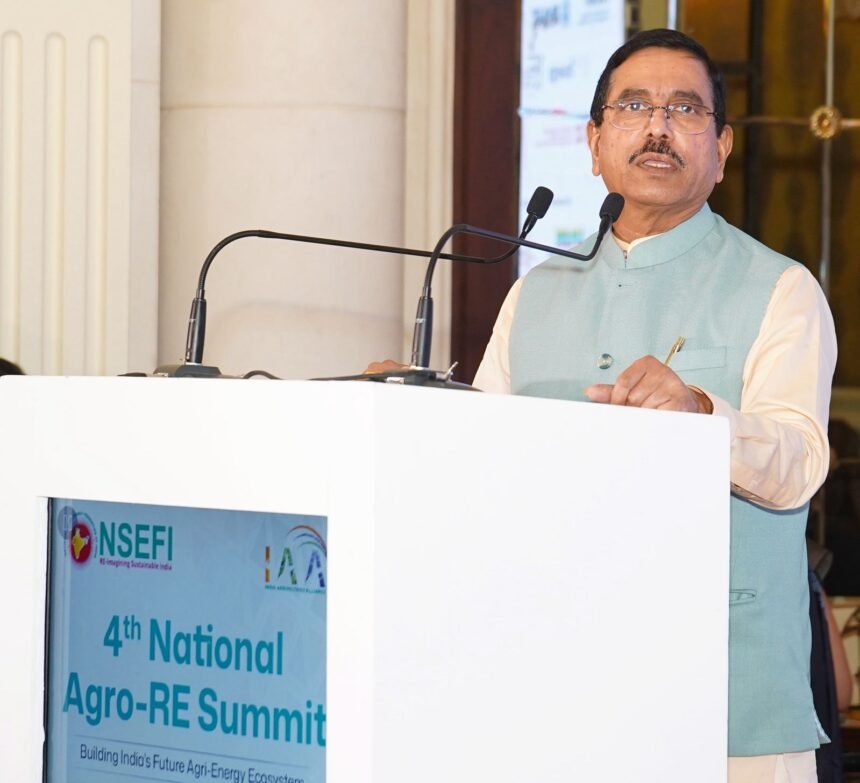
The announcement was made by Pralhad Joshi, Union Minister for New and Renewable Energy, during the 4th National Agro‑RE Summit held in New Delhi. The upcoming initiative is designed to enable farmers to generate solar power while continuing agricultural activities on the same land through agrivoltaic installations.

The Agri-PV component under PM-KUSUM 2.0 is expected to facilitate large-scale solar deployment across agricultural land, allowing dual land use for both crop cultivation and renewable energy generation. This model can help farmers diversify income sources while contributing to the country’s clean energy transition.

Launched in 2019, the PM-KUSUM scheme focuses on decentralised solar power generation for the agriculture sector, including solar pumps, feeder-level solarisation, and small grid-connected solar plants. The upcoming version is expected to further strengthen rural energy infrastructure while supporting India’s long-term renewable energy goals.

Industry experts believe that PM-KUSUM 2.0 will play a key role in enhancing energy access in rural areas, lowering irrigation costs, and empowering farmers to participate directly in India’s renewable energy ecosystem.

Leave a Comment

Leave a Reply

Your email address will not be published. Required fields are marked *